Magnet Tools
A magnetic tool holds a part or an instrument by magnetism instead of by jaws, screws or clamps, and that changes what decides the fit: holding force, pole pitch and the contact area under the part matter, and the workpiece material decides whether the tool works at all. Ferromagnetic steel and cast iron respond; aluminium, brass and the common austenitic stainless grades do not hold without a keeper plate, and a thin sheet saturates differently from a solid block of the same footprint. The family is being populated from the part records, so the holding force, pole pitch and size stated for an item are its own recorded values rather than a family-wide claim, and they are confirmed against the specific item before a fit is agreed.
21 product records listed in this part family.- Holding a dial indicator or a lever gauge on a machine table with a switchable magnetic base
- Clamping a thin plate for light grinding, where jaw pressure would distort the part
- Holding a workpiece for light milling while the full top face stays clear for the cut
- Lifting and moving steel plate and blocks between stations
- Removing residual magnetism from a part after it has been held magnetically
- The workpiece material, since mild steel and cast iron respond while aluminium, brass and austenitic stainless do not
- Part thickness and contact area, because a thin plate offers a shorter flux path than a solid block
- The holding force the operation needs, taken from the item record rather than from the family name
- How the tool meets the machine: table slot, fixture plate, spindle nose or lifting point
- Whether the part must be demagnetised afterwards, which decides if a switchable tool is workable
Will a magnetic chuck hold stainless steel or aluminium?
Ferromagnetic grades of steel and cast iron respond to a magnet; aluminium, brass and the common austenitic stainless grades do not, and a keeper plate or a mechanical clamp is needed instead. Confirm the grade of the part before a magnetic tool is selected.
Where does the holding force figure come from?
From the record of the specific item. The family is being populated, and each listing carries its own recorded holding force, pole pitch and size, so send the part and the operation and the matching record is confirmed against it.
Do parts stay magnetised after clamping?
They can, and a demagnetiser is used afterwards where the part must be free of residual magnetism, for example before inspection or before a welding operation. State that requirement when the tool is selected, because it decides which items in the family are usable.
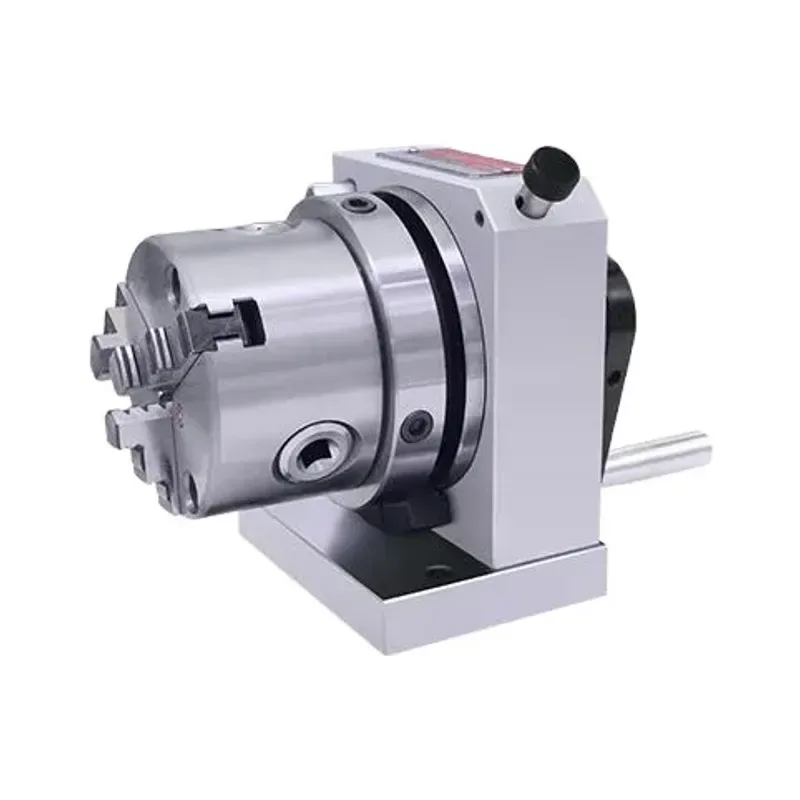
TEBAK Round Magnetic Chuck Radial Permanent Magnet Chuck Suction Cup Sucker for CNC Machining Center Sales.450/500/600
Request this part
TEBAK LIZE Versatile Right Angle Magnetic Chuck Cast Iron Essential Machine Tools Accessory for Milling Grinding Engine Bearing
Request this part
TEBAK Grinding Guide Magnet Block Long Magnetic Chuck Blocks Magnetic Chuck Parallels F35A / F35B/ F36V / F37V
Request this part
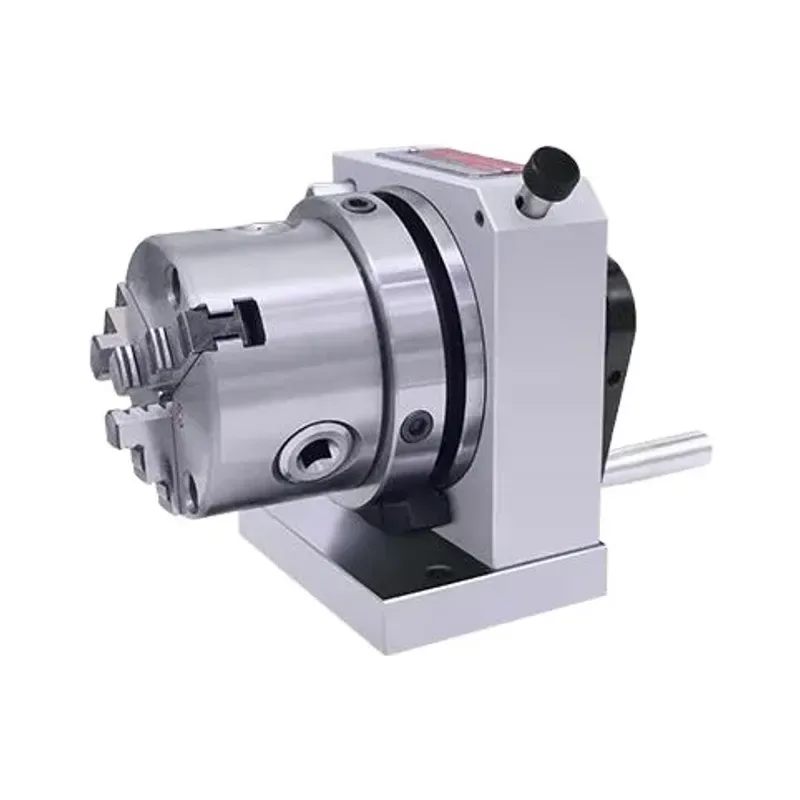
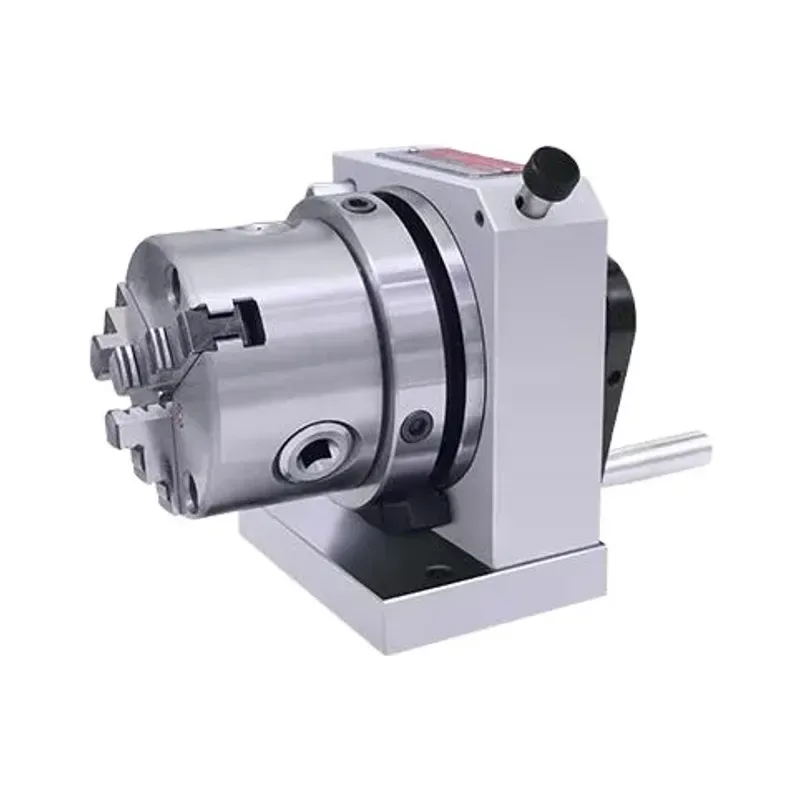
TEBAK 300 * 400mm Machining Center Manual Magnetic Table, Wrench Electromagnetic Permanent Magnet Chuck Workbench
Request this part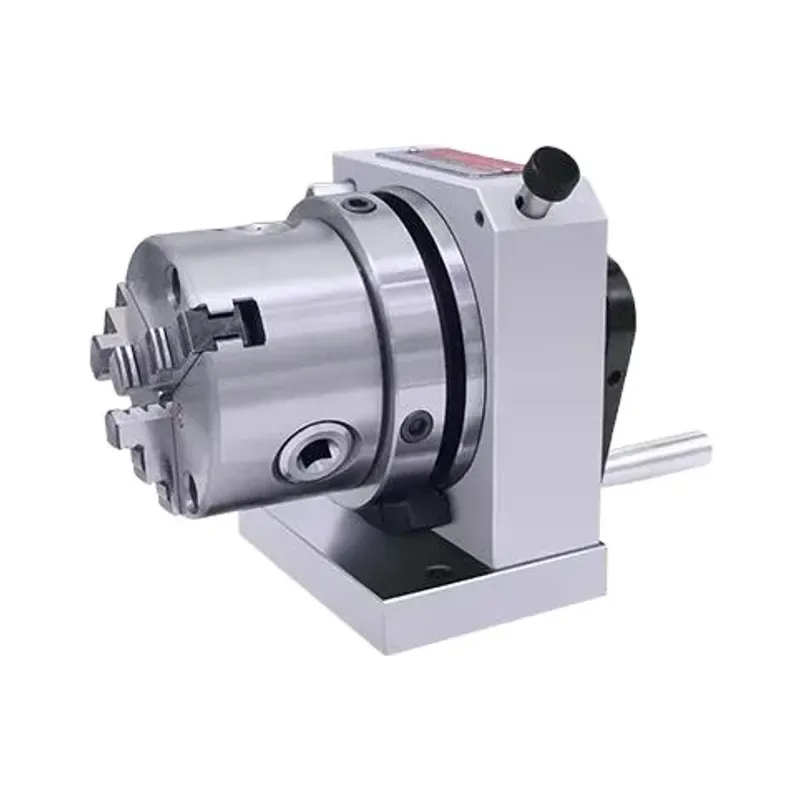
TEBAK Magnetic Stand Super Magnetic Force High Quality 3 Joints Full Adjustable Dial Gage Magnetic Base Holder WCM-1 390mm
Request this part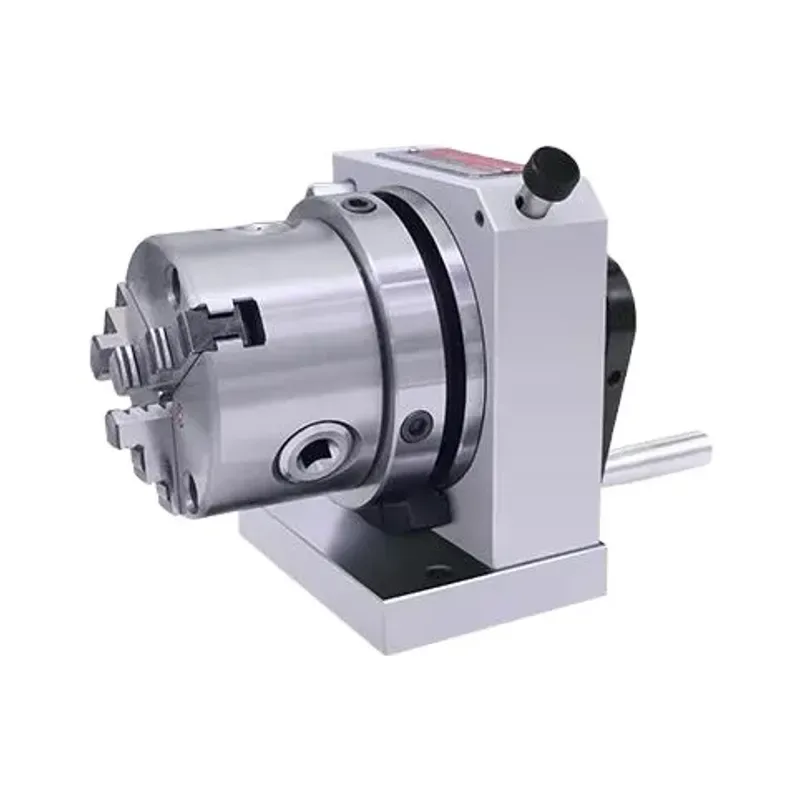
TEBAK Ali Baba Online Store's High Quality XM91 200x400mm Steel Magnetic Chuck Custom Size New Industry Grinding Machines Accessory
Request this part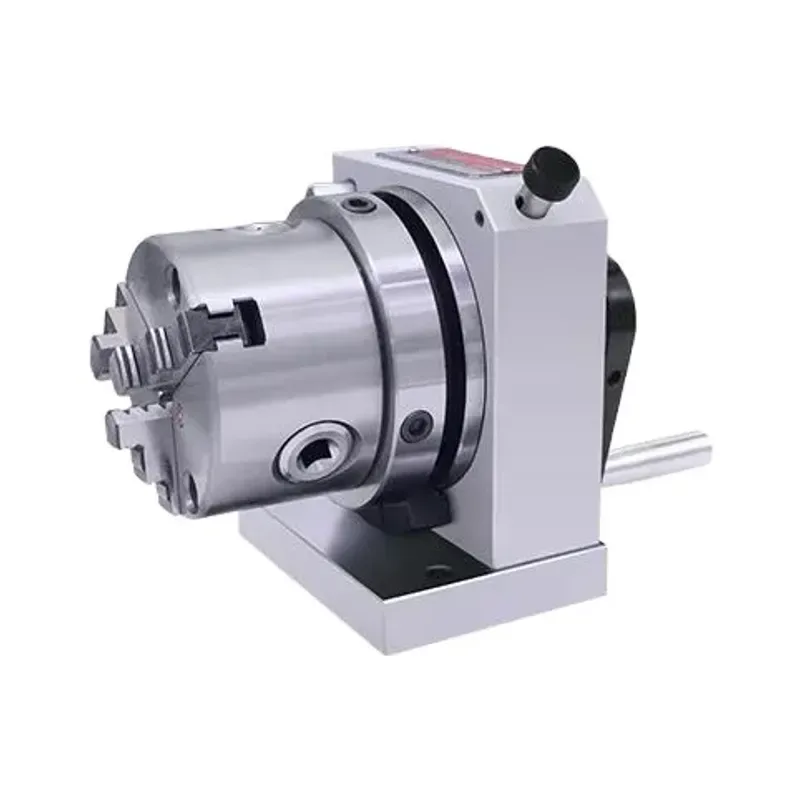
TEBAK Lathe Magnetic Guide Block Fine-pitch Suction Cup Over-magnetizer V-shaped Over-magnet Block
Request this part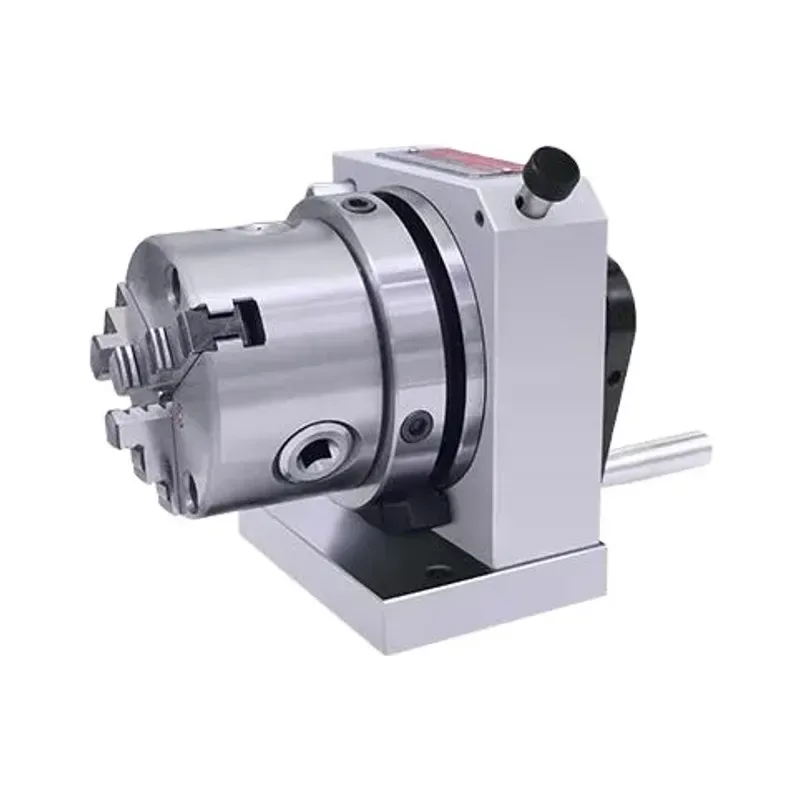
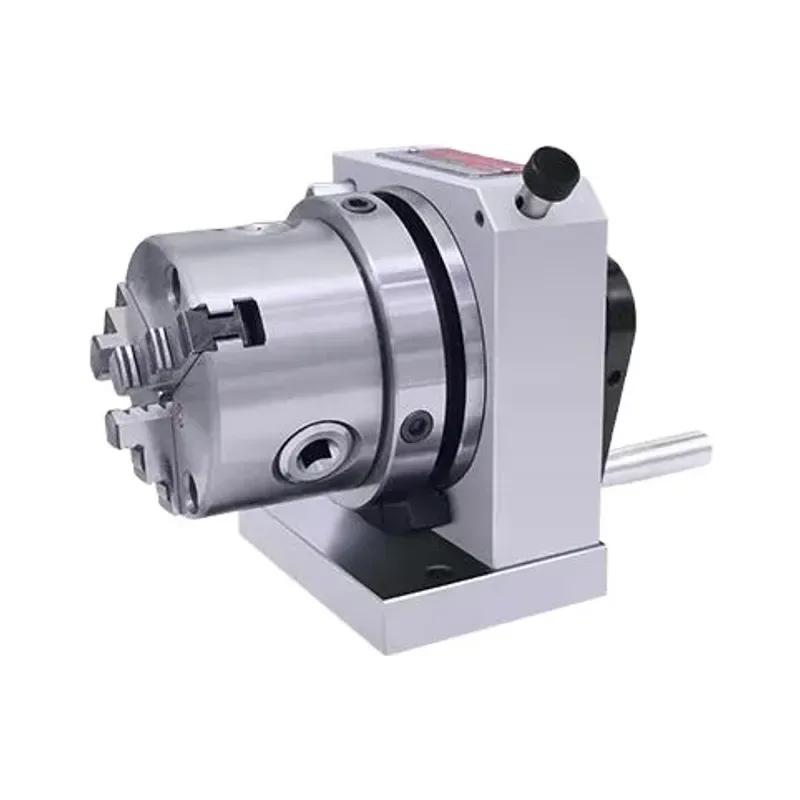
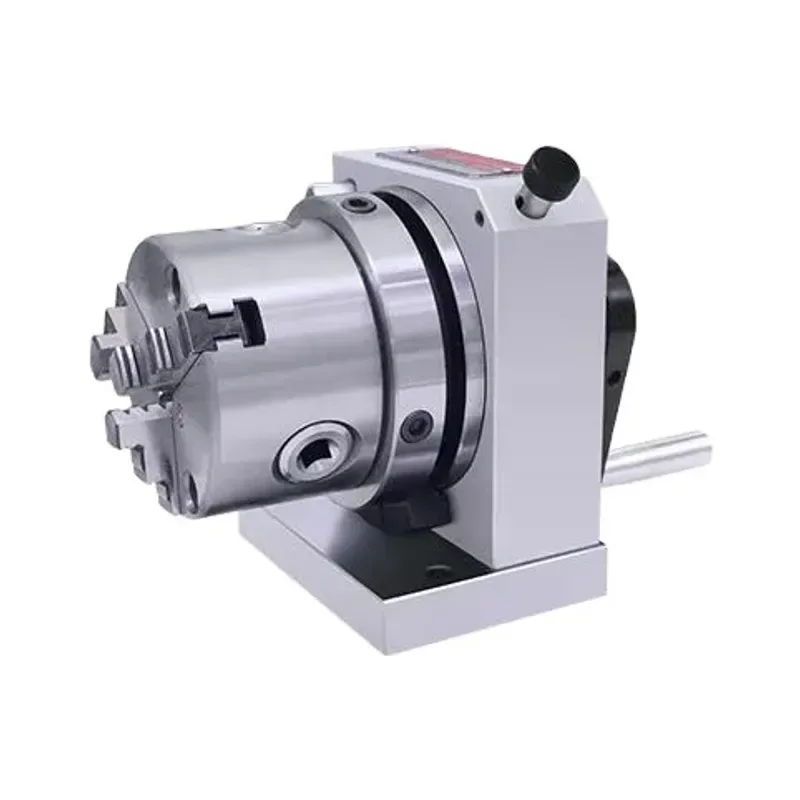
TEBAK Innovative CNC Powerful Magnet Height 90mm Chuck Suction Cup Sucker for CNC Machining Center Uniform Suction
Request this part
TEBAK Customizable 200*400mm Super High Accuracy Micro Pitch Magnetic Chuck Support
Request this part